
While Florida might be known for its beautiful waves, sunny days, and vibrant culture, there are downsides to living in paradise. Throughout the year, a salty breeze blows in that can have an incredibly corrosive effect on heating, ventilation, and air conditioning (HVAC) systems.
If you aren’t proactive in dealing with this issue, you can end up spending significantly more on energy costs, repairs, and replacements.
How Salt Air Affects Furnace Performance in Florida
In coastal environments, the salt air can be especially damaging to metal components. The added humidity and salt are corrosive over time, leading to more frequent repairs and replacements.
Humidity Damage
Whenever you live in a humid environment, it can damage your HVAC system. Besides corrosion, high humidity can lead to mold and mildew growth. Blower motors have to work harder to circulate air, leading to added wear and repairs.
In addition, high humidity can increase the likelihood of a clogged condensate drain line. Normally, drain lines are responsible for removing moisture from your home. If they become clogged, the moisture can back up.
Higher moisture levels also make your system work harder in other ways. Humidity can clog the air filter, so your furnace has to work harder to cool the air. Eventually, this can result in the premature failure of your furnace.
Salt Corrosion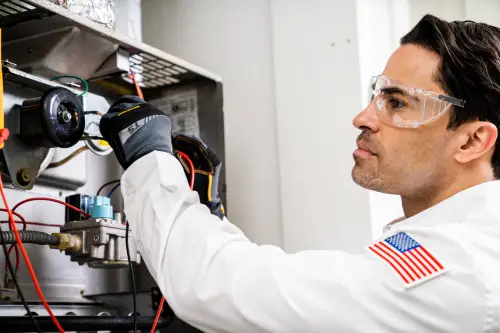
Besides humidity, salt air can also damage furnaces in coastal Florida. Salty air contains particles of salt that can get into your HVAC equipment. These particles can build up on metal components, like terminals, coils, and electrical connections. This can cause short cycling among other issues.
As the salt particles accumulate, they speed up corrosion. The salt in your coils serves as an insulator, which keeps your system from transferring heat properly. Because of this effect, the furnace will have a harder time reaching the correct temperature and will have to run longer. Over time, this can lead to increased energy costs and a shorter furnace lifespan.
Finally, salt can also create potential safety hazards. When salt and moisture get into your furnace’s electrical components and wiring, it can cause shorts to happen.
Common Furnace Issues That Are Caused by Florida’s Salt Air
When salty, humid air gets into your furnace, it can lead to a few frequent problems.
Mold and Bacteria
Any consistent source of moisture can fuel bacteria and mold growth. This is especially common with furnaces because of how dark the inside of the unit is. Over time, this can worsen your home’s air quality. If you or a loved one has allergies or other respiratory problems, increased mold and bacteria can make these medical ailments worse.
Wear and Tear
Whenever a furnace is forced to work harder or longer, it leads to added wear. High humidity levels cause your blower motor to work overtime to circulate air inside of your home. Besides causing more frequent repairs, this situation is an oft-cited cause of premature HVAC failure.
Corrosion
Ongoing moisture is a major issue for metal components. In the presence of water, metal oxidizes and rusts. Then, this corrosion can significantly reduce the lifespan of your metal components.
Airflow Problems
Moisture in the air can gradually gather in the air filters as your system runs. As the moisture level increases, it blocks air from flowing through the filter and makes the system work harder than normal.
Clogged Drain Lines
Mold and moisture damage can become worse if the condensate drain lines become clogged. Excess moisture can back up into your home and damage your flooring and carpets before the problem is caught.
Signs You May Be Dealing With Corrosion
If you live near the coast, there is likely some level of corrosion happening inside your furnace. Pay attention to the following signs that your home has a salt-related problem.
- Flaking paint near metal surfaces
- Rust stains near metal fixtures
- Faulty HVAC components
- Chalky patches near your coils
- Pitting and visible corrosion on metal equipment
HVAC Maintenance Tips for Salty Climates
If you live in coastal Florida, it pays to be proactive about your HVAC maintenance. We generally recommend getting HVAC maintenance performed twice a year. While air conditioners ought to be inspected in spring, you should schedule a furnace tune-up for the fall. On top of routine maintenance appointments, we also recommend using the following tips to protect your furnace from salty air.
Replace the Air Filter: You should generally replace your air filter every 30 to 90 days. You may need to do this more frequently in Florida’s coastal climate to prevent the filter from becoming clogged by the humidity.
Use Protective Coatings: There are protective coatings you can use to protect your furnace components from corrosion. When you schedule an HVAC appointment, one of our technicians can discuss the best options for your furnace.
Check Your Vents: Blocked vents can stop air from flowing and cause your system to work harder than necessary. Periodically, you should check each vent to make sure clothes, furniture, and other belongings aren’t in the way. Additionally, you should check to see if each vent is open.
Rinse External Units: To prevent salt from building up, you should clean and rinse outdoor units with fresh water.
Protect Your Home From Humidity and Salt Air
At One Hour Air Conditioning & Heating, we have years of experience helping Bradenton residents with their furnace-related problems. If sea salt and moisture are damaging your HVAC components, give us a call. Our team of trusted HVAC technicians will quickly evaluate the underlying issue and recommend the best course of action. We’re on time, or you don’t pay a dime!