
Giving your AC the attention and maintenance it needs to maintain optimal efficiency doesn’t have to be a hassle or overwhelming. With a custom preventive plan in place, it becomes much easier to stay ahead of wear and tear. One of our technicians will catch issues like refrigerant leaks or clogged filters early so they don’t turn into costly repairs or breakdowns. But since no two homes are the same, it’s imperative to use a preventive maintenance schedule tailored to your system’s age and your household’s usage patterns.
How Often Should You Schedule AC Tune-Ups?
HVAC experts agree you should get your AC serviced at least once a year, preferably in the spring. Many recommend another visit during the fall after the long cooling season. In Bradenton, where most people use their air conditioners for the majority of the year, a twice-a-year tune-up makes a big difference in long-term system performance and reliability.
Understanding Local Seasonal Factors That Impact AC Maintenance
The hot temperatures in Bradenton put strain on your AC by forcing it to run longer cycles and work harder to cool your home. Those long run times combined with the high humidity, particularly during late summer, can lead to major problems with mold growth, clogged drain lines and frozen coils.
All the salt in the coastal air can even corrode the outdoor parts of the AC by eating away at the metal surfaces. The closer you live to the coastline, the more vulnerable your system becomes. With this in mind, homes near the coast or those with previous corrosion issues may need extra service visits.
What’s Included in a Standard AC Maintenance Visit?
There’s a lot that happens during a professional AC maintenance session. We’ll check each part of the system to make sure everything works safely and efficiently. The capacitor, contactor and fan motor are some of the parts that tend to wear out the fastest. If we spot any signs of damage, we’ll know to replace the worn-out components.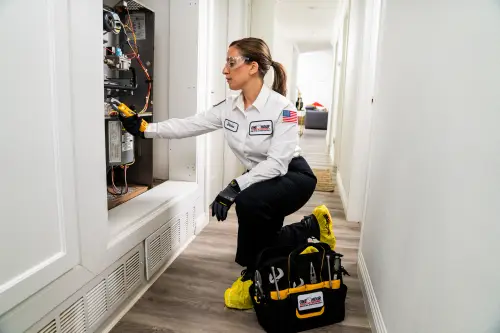
Let’s take a close look at each part of the preventive maintenance visit and why it’s important:
- Calibrating the thermostat: Keeps temperature control accurate and efficient.
- Checking refrigerant levels and inspecting for leaks: Ensures proper cooling and prevents compressor damage.
- Cleaning the evaporator and condenser coils: Improves cooling efficiency, so the AC lasts longer.
- Inspecting and tightening all electrical connections: Prevents shorts and ensures safe system operation.
- Lubricating motors and moving parts: Reduces wear and helps components run smoothly.
- Flushing and checking the condensate drain line: Prevents blockages and protects against water damage.
- Testing system performance, including airflow and cooling output: Confirms the AC cools evenly and efficiently.
- Verifying that safety controls work correctly: Protects your system from overheating and electrical faults.
Creating a Maintenance Plan Based on System Age
The age of your cooling system plays a large role in how often it needs preventive maintenance. Those that are less than five years old can usually run efficiently with two tune-ups each year (early spring and early fall).
For those over five years, regular service becomes even more important. The parts wear out faster on older systems due to heat stress and continuous use.
Watching for certain warning signs is vital to creating a custom preventive maintenance schedule that will keep your system running smoothly and avoid costly breakdowns:
- Uneven cooling: Suggests airflow issues—schedule maintenance soon.
- Rising energy bills: May signal inefficiency—book service promptly.
- Strange noises: Indicates wear or damage—call right away.
- Weak airflow: Could mean blockage—schedule a checkup soon.
- Frequent cycling: Points to thermostat issues—get inspected quickly.
- Musty odors: Signals mold or moisture—book service immediately.
The Role of Air Filter Changes in System Health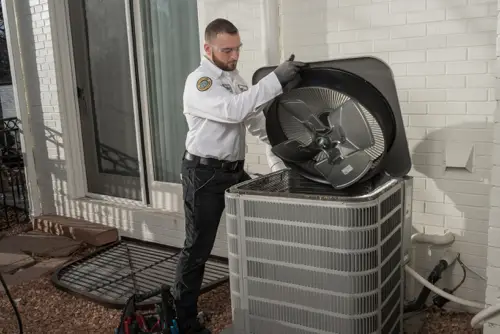
Clean filters reduce dust, pet hair and other airborne particles from floating through the air. They have the specific job of trapping these contaminants to prevent them from entering the system. Thanks to the improved airflow, the AC can run more efficiently and cool your home faster.
But when your filter clogs, it has the opposite effect. It blocks airflow, reduces cooling output and increases energy use. If you don’t change a clogged filter, it can even cause the AC to overheat.
Staying on top of filter changes helps keep your preventive maintenance schedule effective and on track. The general guideline calls for a replacement or cleaning once every 30 days, but it also depends on the type of filter you’re using. Checking the manufacturer’s guidelines is the best way to stay on schedule. Homes using a ductless AC should do filter changes every two weeks.
Smart Thermostats and Preventive Maintenance
Smart thermostats make it easy to follow your preventive maintenance schedule. A lot of them include maintenance alerts that send notifications when a filter needs changing. Some even track performance data that triggers a service reminder when your system shows signs of reduced efficiency.
By syncing with your home’s Wi-Fi, they make it simple to make remote adjustments using your smartphone. Many models come with advanced learning technologies that use adaptive algorithms to fine-tune your cooling schedule. They can accurately predict your usage patterns to save money by reducing energy waste. Their ability to learn and adapt is phenomenal for maintaining consistent comfort and better system performance.
Preventive Steps to Take Between Service Visits
Doing your own preventive maintenance in between professional visits is crucial to helping the AC last longer and saving money on cooling costs:
- Clear debris near outdoor unit regularly
- Keep vents open and unobstructed
- Watch for weird smells or strange sounds
- Avoid constant thermostat adjustments
- Look for water near AC unit
- Replace filters on a regular schedule
One Hour Heating & Air Conditioning® offers preventive maintenance plans so you can keep your system running smoothly year-round. These plans remove the stress of forgetting regular service with two annual tune-ups that catch small issues early and help extend your system’s lifespan. Contact us now to book a maintenance check!
